
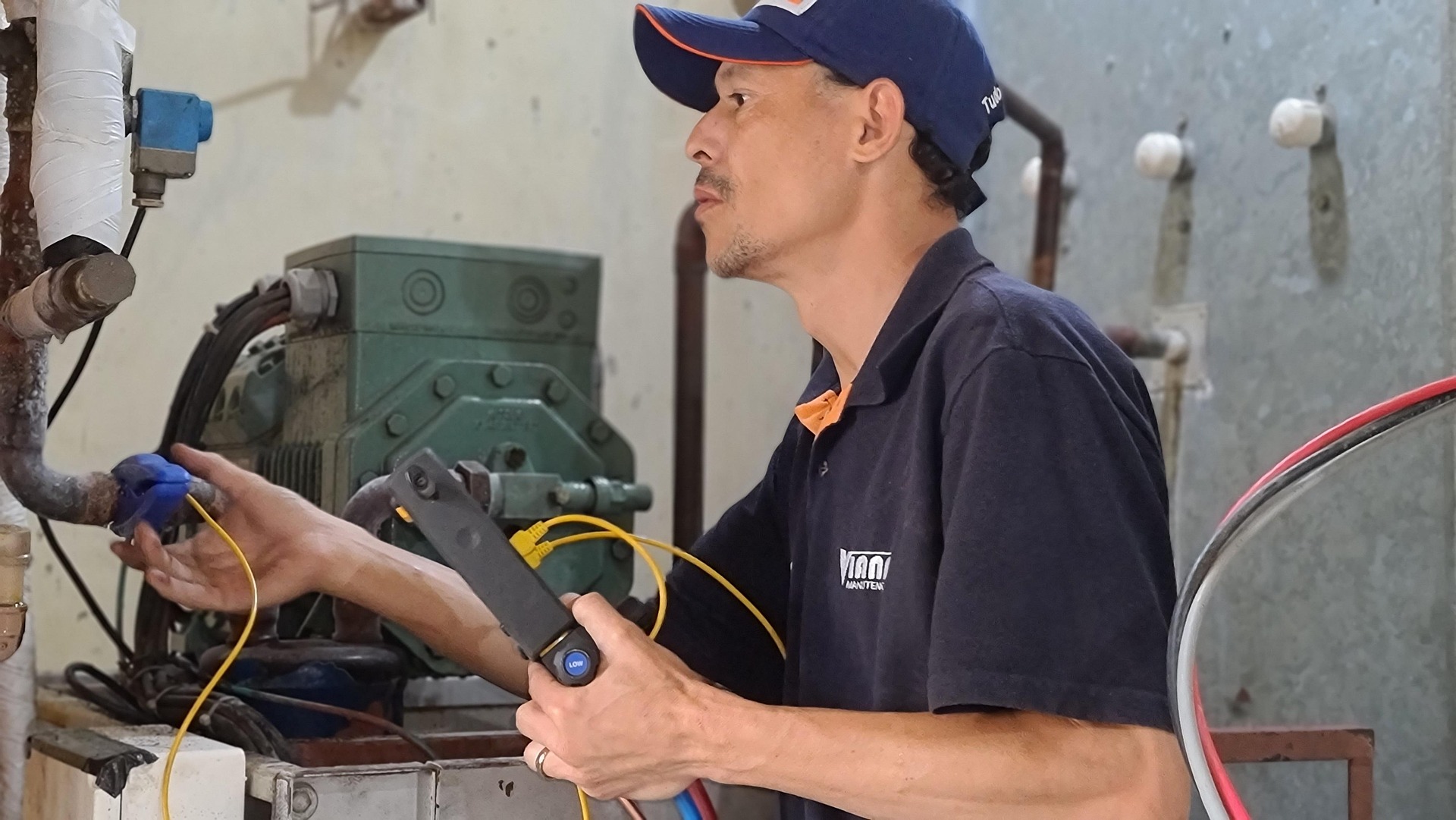
The first day on a job site usually smells like dust, metal, and coffee that’s been sitting too long. Someone hands you a wrench. Someone else tells you the furnace “just needs a quick look.”
Welcome to the start of many HVAC apprentice jobs.
For people who prefer hands-on work over office chairs, the heating and cooling industry offers a straightforward path: learn the trade, get paid while you train, and build a skill that’s always in demand. Homes, hospitals, schools, data centers, every building needs climate control. Which means the industry constantly needs new technicians.
But before you’re diagnosing compressors or installing ductwork solo, you start as an apprentice.
The Entry Point: What HVAC Apprentice Jobs Actually Look Like
An HVAC apprentice works under experienced technicians while learning the systems that keep buildings comfortable. Think of it as a paid classroom, except the classroom might be an attic in July.
Typical responsibilities include:
- Assisting with equipment installation
- Carrying tools and preparing materials
- Cleaning and maintaining HVAC components
- Observing diagnostics and repairs
- Learning safety procedures and electrical basics
Early on, much of the work is support. But the goal is progression. Within months, apprentices often begin handling simple repairs or maintenance tasks.
According to the U.S. labor market data, demand for HVAC technicians continues to grow due to new construction and system upgrades. The job outlook data from the Bureau of Labor Statistics highlights steady demand for HVAC professionals across the country.
Translation: skilled technicians aren’t going out of style anytime soon.
Training While Earning a Paycheck
One of the biggest advantages of HVAC apprentice jobs is the “earn while you learn” model.
Instead of paying years of university tuition, apprentices typically:
- Work full-time with a licensed technician
- Attend trade classes or technical training
- Gradually increase responsibility and wages
Many programs last 3–5 years, though advancement often begins much sooner.
Some apprentices also attend trade schools before entering the workforce. Programs can introduce electrical theory, refrigeration cycles, and system diagnostics, giving new technicians a helpful head start.
The science behind heating and cooling systems is more interesting than people expect. Refrigeration cycles, airflow design, and energy efficiency standards all play a role. If you’re curious about how modern systems improve efficiency, the U.S. Department of Energy explains the basics of heating and cooling technologies here.
Skills That Make Apprentices Stand Out
Not every apprentice progresses at the same pace. The technicians who advance fastest usually share a few habits:
Curiosity. Asking questions when something doesn’t make sense.
Problem-solving mindset. HVAC systems rarely fail in predictable ways.
Reliability. Showing up early matters in service trades.
Mechanical comfort. Tools, wiring, and diagnostics become everyday tasks.
And yes, physical stamina helps. Crawling through crawlspaces or lifting equipment is part of the job.
The Career Path After Apprenticeship
Finishing an apprenticeship opens several doors.
Many technicians move into roles such as:
- Residential HVAC technician
- Commercial service technician
- Refrigeration specialist
- System installer
- HVAC supervisor or contractor
Some eventually start their own businesses. Others specialize in energy-efficient systems, building automation, or large commercial installations.
In other words, HVAC apprentice jobs aren’t just entry-level work, they’re the first step in a skilled trade career that can last decades.
The Bottom Line
Every technician remembers their first job site. The confusing wiring. The senior tech explaining airflow like it’s a secret language.
But that’s the point of an apprenticeship.
You show up. You learn. You fix things that matter.
And before long, you’re the one teaching the next apprentice how the system works.
*This article is for informational purposes only and should not be taken as official legal advice*