
You’re chewing something innocent. A chip. Maybe popcorn. Then it happens again, food slips into that small, inconvenient gap where a tooth used to live.
You pause. Adjust your bite. Try the other side of your mouth.
It works… sort of.
Later that night, curiosity takes over. Laptop open. Search bar blinking. You type the question millions of people quietly ask every year:
How much is a dental implant?
The internet responds with numbers that feel slightly chaotic. $2,000. $5,000. $8,000? Suddenly replacing one tooth sounds suspiciously like buying a used car.
So what’s the real answer in 2026?
Let’s break it down.
The Quick Answer (Before the Details Arrive)
In the United States, a single dental implant in 2026 typically costs between $3,000 and $6,000 per tooth.
Not pocket change, but not as unpredictable as those search results might suggest.
That price usually includes three essential parts:
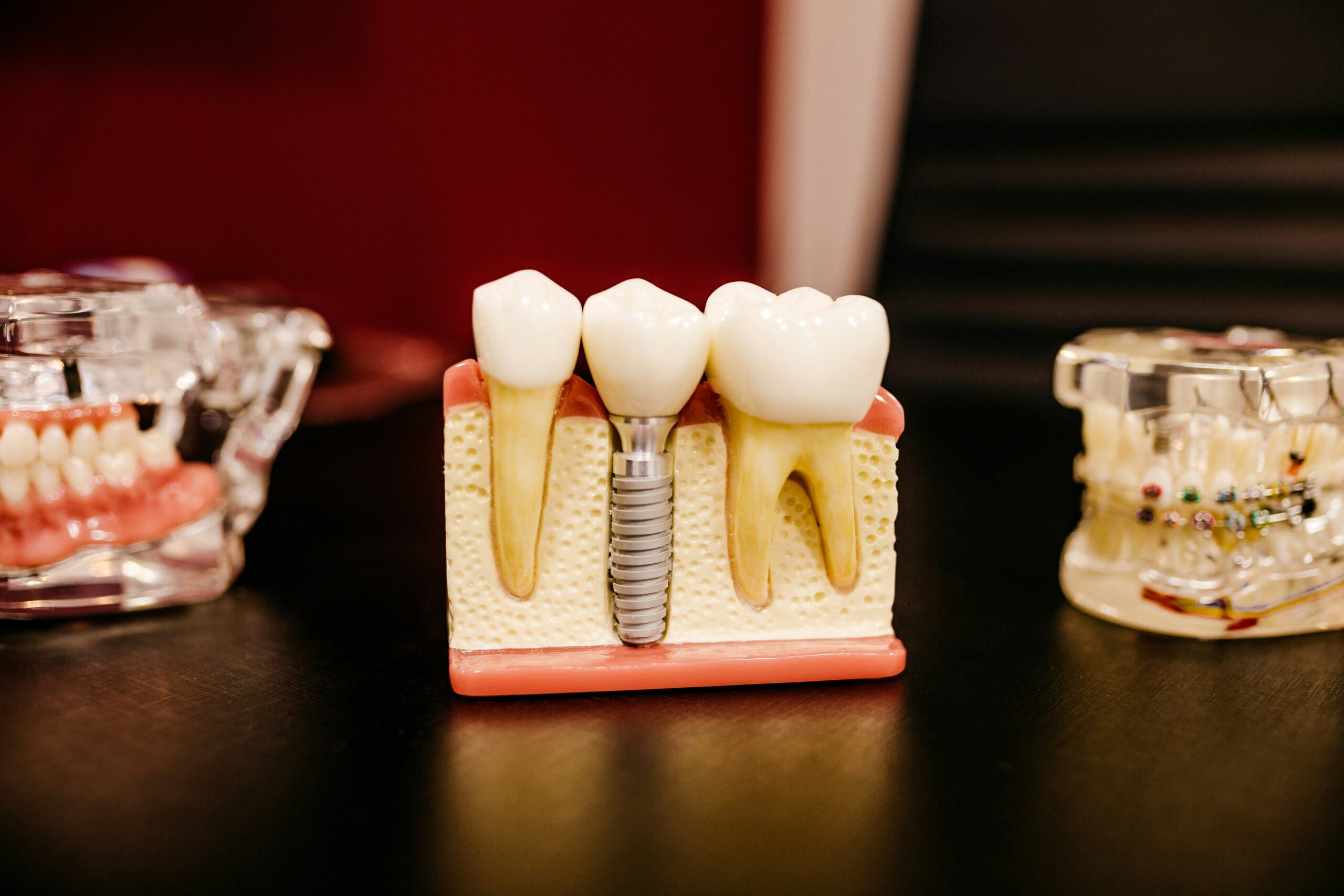
- The implant post – a titanium screw inserted into the jawbone
- The abutment – a connector that attaches the crown
- The crown – the visible artificial tooth
Together, these pieces function like a natural tooth root and crown.
According to the American Dental Association, dental implants are widely considered one of the most reliable long-term solutions for replacing missing teeth when properly maintained.
Translation: dentists trust them.
Why Implant Prices Jump Around So Much
Here’s where things get interesting.
Two people can ask, “How much is a dental implant?” and get very different answers.
Why?
Because dental implants aren’t one-size-fits-all treatments. Several factors shape the final price.
Location, Location… Teeth
Dental costs vary widely by region. Clinics in large metropolitan areas often charge more than those in smaller cities or towns.
Higher rent. Higher salaries. Higher operating costs.
Those factors eventually show up on the patient invoice.
A dental implant in Los Angeles may cost significantly more than the same procedure in a smaller Midwestern city.
Who’s Doing the Procedure
Some implants are placed by general dentists. Others are performed by specialists such as oral surgeons or periodontists.
Specialists typically charge more, but they also handle complex cases regularly.
For patients with bone loss, gum issues, or previous dental complications, that expertise can be extremely valuable.
Sometimes paying more means fewer surprises later.
Technology in the Dental Chair
Modern dental clinics use advanced tools that weren’t common a decade ago.
We’re talking about:
- 3D cone-beam CT scans
- Digital impressions instead of molds
- Computer-guided implant placement
These technologies improve precision and success rates. They also add to the cost of treatment.
Worth it? Many dentists would argue yes.
The Extra Costs That Catch People Off Guard
Here’s the part that often surprises patients.
Sometimes the dental implant isn’t the first step.
Sometimes the jaw needs preparation first.
Additional procedures may include:
Tooth extraction
If the damaged tooth is still present, it needs to be removed before the implant can be placed. This typically costs $100 to $500.
Bone grafting
If the jawbone has weakened after tooth loss, dentists may rebuild it before placing an implant. Costs range from $300 to $3,000 depending on the complexity.
Diagnostic scans
Advanced imaging helps dentists plan the implant placement precisely. These scans usually cost $100 to $400.
Research from the National Institute of Dental and Craniofacial Research emphasizes that healthy jawbone structure plays a critical role in implant success, which is why these additional steps are sometimes necessary.
In other words, implants rely on strong foundations.
Just like buildings.
Does Dental Insurance Actually Help?
This is where things get… complicated.
Many dental insurance plans still consider implants elective procedures. That means coverage can be limited or partial.
Some policies may cover portions of the treatment, including:
- Tooth extraction
- X-rays or imaging
- The dental crown
Others provide little to no coverage at all.
Patients often review their policies carefully, or ask the dental office to help verify benefits before starting treatment.
Because surprises are fun at birthday parties.
Not on medical bills.
Why So Many Patients Still Choose Implants
Let’s be honest.
Dental implants are rarely the cheapest option.
Dentures and bridges typically cost less upfront. But implants offer benefits that many patients find difficult to ignore.
They:
- Function almost like natural teeth
- Prevent jawbone loss after tooth removal
- Don’t rely on neighboring teeth for support
- Can last decades with proper care
That last point matters more than people think.
While bridges or dentures may need replacement over time, implants are designed as long-term solutions.
Think of them as permanent upgrades rather than temporary fixes.
So… How Much Is a Dental Implant in 2026?
Let’s bring it back to the original question.
How much is a dental implant?
For most patients in the United States, the total cost falls between $3,000 and $6,000 per tooth. More complex cases, especially those requiring bone grafts or multiple procedures, can cost more.
The only way to get an exact number is through a consultation with a dentist who can evaluate your jawbone, oral health, and treatment plan.
Because replacing a missing tooth isn’t just about appearance.
It’s about chewing comfortably. Speaking clearly. Smiling without that tiny moment of hesitation.
And, yes, finally eating popcorn without strategic planning.
*This article is for informational purposes only and should not be taken as official legal advice*