
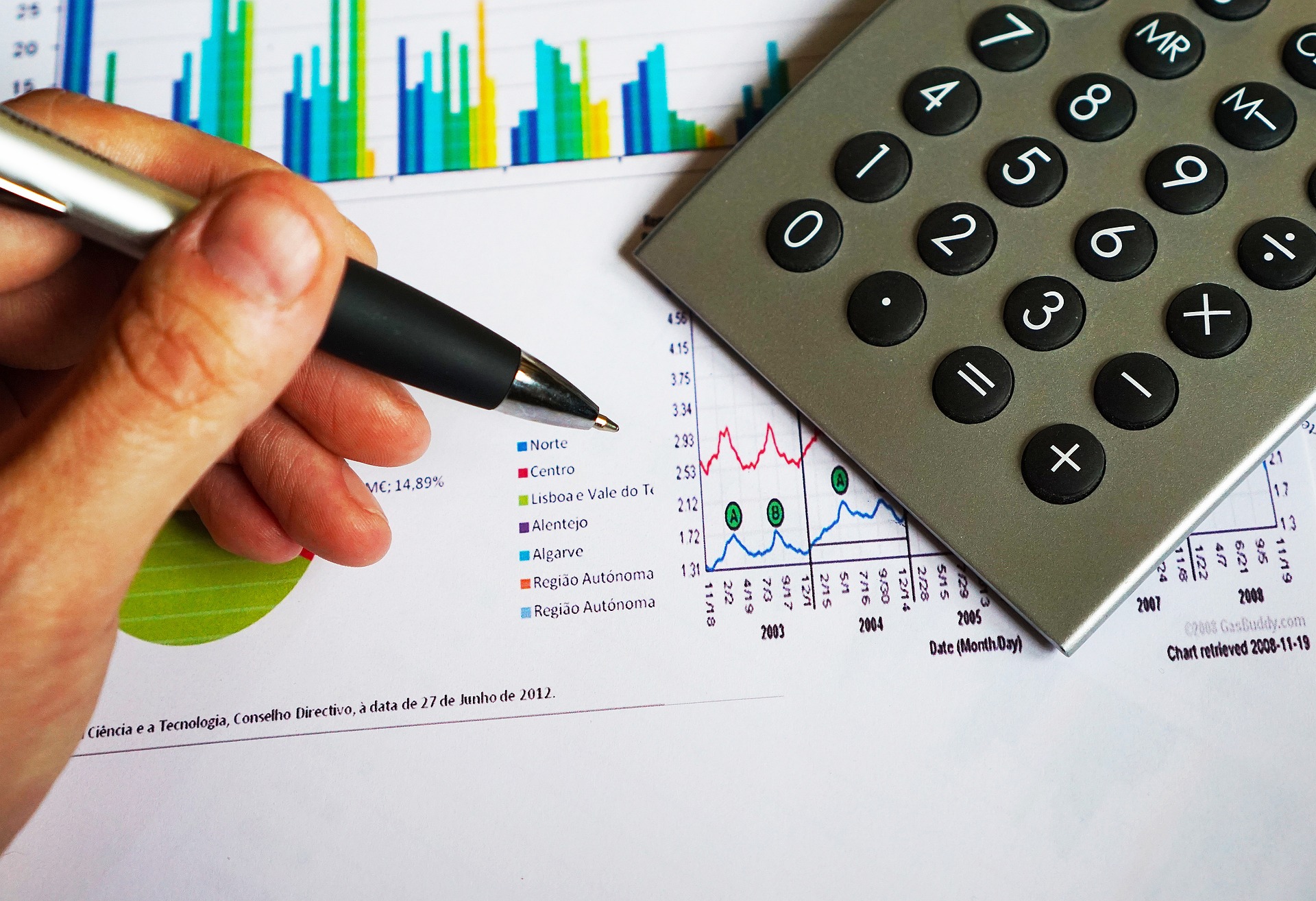
A trader hits “run.”
The model executes.
The trade goes through.
Looks normal, right?
Except… no human actually decided it.
Welcome to the current state of quant finance news, where algorithms aren’t just tools anymore. They’re decision-makers. Fast ones. Occasionally smarter ones. Slightly terrifying ones (depending on how much control you like to keep).
The Old Way: Build a Model, Pray It Holds
For years, quant finance ran on a simple idea: build a model from historical data, test it, deploy it, and hope the market behaves just enough like the past.
Sometimes it worked.
Sometimes it didn’t.
Because markets change. Constantly. Quietly. Then all at once.
Traditional models? Not great at adapting mid-flight.
The New Reality: Models That Learn While You Sleep
AI doesn’t wait for you to update it.
It updates itself.
Machine learning systems analyze incoming data in real time, adjusting patterns, recalibrating predictions, and, here’s the part that matters, changing behavior without needing a human rewrite.
Research from the MIT Sloan School of Management has pointed out that adaptive models tend to outperform static ones in volatile environments.
Which is a polite academic way of saying: if your model isn’t learning, it’s falling behind.
Data Got Weird (And That’s Where the Edge Is)
Once upon a time, quants lived in spreadsheets.
Clean numbers. Predictable inputs. Structured data.
Now?
They’re scraping:
- Tweets
- News sentiment
- Satellite images of parking lots
- Consumer behavior patterns
Yes, really.
Platforms like Bloomberg are already using AI to process massive streams of unstructured data, stuff no human team could realistically handle at scale.
So the question isn’t “Do you have data?”
It’s “Are you using the weird data faster than everyone else?”
Because that’s where the signals are hiding now.
Speed Is Old News. Precision Is the New Obsession
High-frequency trading made speed the gold standard.
Milliseconds mattered.
Now? Everyone’s fast.
So AI shifted the game toward precision.
Instead of just executing trades quickly, AI systems:
- Evaluate dozens of variables simultaneously
- Adjust strategies in real time
- Predict short-term movements with context, not just patterns
It’s less “go faster” and more “go smarter.”
(Subtle difference. Massive impact.)
Reading Between the Lines, Literally
Earnings reports used to be a grind.
Now they’re… input.
AI-powered natural language processing (NLP) can scan entire financial documents in seconds, pulling out tone, sentiment, and hidden signals.
Not just what was said, but how it was said.
According to research from Stanford University, these systems are getting increasingly good at extracting meaning from text-based data.
So when a CEO says, “We’re cautiously optimistic,” AI is already asking: Is that actually confidence… or concern disguised as optimism?
The Part Everyone’s Slightly Nervous About
Let’s not pretend this is all smooth progress.
AI in quant finance has a few… issues.
- Models that overfit and fail in real markets
- “Black box” decisions no one can fully explain
- Algorithms reacting to each other in ways that get chaotic, fast
And here’s the uncomfortable truth: when AI makes a mistake, it doesn’t hesitate.
It scales the mistake.
Quickly.
That’s why human oversight isn’t going anywhere, at least not yet.
The New Quant Isn’t Just a Quant Anymore
Here’s what’s really changing.
The job.
Today’s quant isn’t just building equations. They’re:
- Working with machine learning systems
- Managing complex data pipelines
- Interpreting outputs that aren’t always intuitive
It’s less math-only, more hybrid.
And if you’re paying attention to quant finance news, you’ll notice hiring trends shifting hard in that direction.
Not just analysts.
Architects of systems that think.
Final Thought: The Edge Is Getting Harder to See
There was a time when having a better model meant you had an advantage.
Now?
Everyone has models.
Everyone has data.
The real edge is quieter.
It’s in how fast your system learns.
How well it adapts.
How quickly it finds signals no one else is looking at yet.
And maybe the strangest part?
The biggest shifts in finance right now aren’t happening on trading floors.
They’re happening inside algorithms, rewriting the rules while most people are still reading last year’s playbook.
*This article is for informational purposes only and should not be taken as official legal advice*